
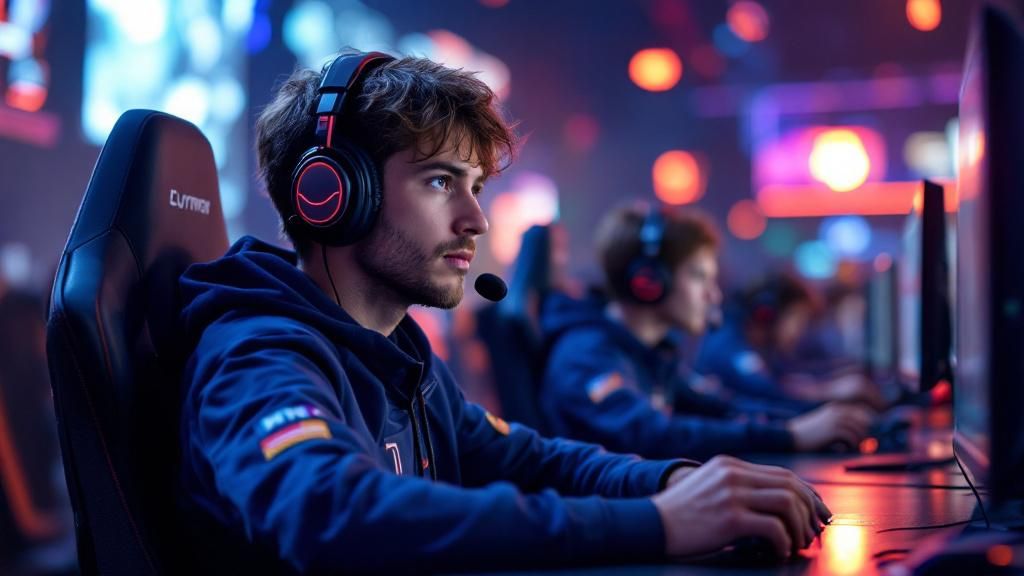
The esports industry has advanced substantially in emphasising competitor wellbeing. Prominent event operators have collectively introduced a detailed player protection standards framework, confronting established worries about psychological wellbeing, employment standards, and equitable treatment within the professional gaming sector. This groundbreaking development represents a turning point for esports legitimacy, creating minimum standards that could reshape how the industry operates. We explore the framework’s principal elements, the organisations driving this change, and what it means for athletes and professional gaming moving forward.
Sector-Wide Dedication to Player Wellbeing
The joint initiative between leading esports organisations marks a significant milestone for competitor welfare within competitive gaming. This integrated system demonstrates the market’s authentic resolve to creating lasting protocols that emphasise player health alongside performance quality. By pooling resources and expertise, these organisations have created comprehensive guidelines addressing physical condition, psychological wellbeing, and workplace protection. The scheme shows increasing awareness that competitor health substantially impacts competitive performance and professional lifespan, making it crucial for the sport’s credibility and growth.
Tournament organisers have confirmed that earlier guidelines were disjointed and variable, putting athletes at risk of abuse and fatigue. The updated system standardises expectations throughout leading tournaments, making certain each professional player receives equitable treatment and availability of vital assistance. This unified strategy removes unfair disparities stemming from inconsistent protections and creates equal opportunities. Industry figures emphasise that these standards represent minimum requirements, prompting entities to surpass fundamental requirements and build authentically nurturing spaces where competitors can excel across professional and personal dimensions.
Core Features of the Welfare Provision
The recently created welfare framework consists of multiple linked pillars intended to safeguard player welfare thoroughly. These provisions address mental wellbeing assistance, physical fitness, fair working conditions, and straightforward conflict resolution processes. By combining these components, tournament operators strive to establish an integrated system that recognises esports athletes as professional competitors warranting strong safeguards. The framework defines baseline requirements that all participating tournaments are required to adopt, guaranteeing standardised player protections across the competitive gaming landscape.
Mental Health Support Services
Understanding the psychological pressures characteristic of professional esports, the framework requires availability of mental health specialists for every competing player. Tournament organisers should offer confidential psychological support, through direct delivery or collaborative arrangements with accredited mental health professionals. Such services include stress management, anxiety management support, and crisis support resources. Players receive access to trained psychologists who comprehend esports-specific issues, including online abuse, severe competitive pressure, and career uncertainty.
The framework also stipulates tournaments to establish psychological awareness schemes and anti-stigma campaigns across the community. Organisers are required to inform players, coaches, and staff about recognising psychological difficulties and accessing appropriate support. Periodic reviews and health surveillance programmes enable detect struggling players at an early stage, enabling preventative measures before situations progress into severe mental health emergencies.
Physical Wellness Requirements
Tournament organisers must create detailed wellness standards addressing ergonomics, rest periods, and medical oversight. The framework requires appropriate chairs, screen placement, and rest periods to prevent repetitive strain injuries common among esports professionals. Healthcare professionals must attend at significant events to manage acute health issues, whilst organisers are required to give advice about injury avoidance and appropriate healthcare resources for long-term player development.
Environmental factors at tournament facilities are now governed by strict guidelines guaranteeing player wellbeing and safety. Regulations address temperature control, lighting standards, and noise levels to establish optimal performance conditions. Additionally, the framework supports players to complete routine medical evaluations and offers guidance on diet, sleep hygiene, and exercise routines vital to sustained professional performance in esports.
- Workplace gear evaluations conducted by qualified specialists
- Required breaks between matches preventing player exhaustion
- Medical personnel on location present during all tournament proceedings
- Injury reduction education and recovery programme access
- Wellness tracking systems monitoring player wellbeing throughout seasons
Implementation Timeline and Requirements
The framework will be deployed in three separate phases, beginning immediately with initial evaluations across member organisations. Tournament operators have pledged to completing initial audits of their existing operations by the end of the first quarter, identifying gaps between present frameworks and the revised guidelines. This preliminary stage ensures a thorough understanding of each organisation’s baseline position before implementing substantive changes. Later stages will include team training, policy updates, and the establishment of independent oversight mechanisms to ensure adherence and responsibility throughout the esports ecosystem.
The standards themselves cover mandatory provisions relating to mental health support, practical training timetables, and open reward distribution systems. Each organisation is required to appoint a dedicated player welfare officer accountable for managing grievances and upholding guidelines. Routine inspections, performed by third-party bodies, will confirm adherence and pinpoint aspects needing enhancement. These thorough safeguards establish measurable benchmarks for player protection, with regulatory tools including monetary sanctions and possible competition restrictions for organisations unable to meet required standards.
Industry Response and Future Outlook
The declaration has received strong backing from participants throughout the esports ecosystem. Players’ associations have endorsed the guidelines as a necessary step towards professionalising the sector, whilst team owners and commercial partners appreciate the potential for improved legitimacy and long-term viability. Equipment suppliers and broadcast services have pledged to incorporate player welfare into their operations, demonstrating a collective commitment to comprehensive transformation. Early indications suggest that governing authorities and government officials regard the guidelines with approval, conceivably facilitating formal legal recognition of esports as a established professional field.
Looking ahead, industry observers anticipate that this framework will serve as a template for worldwide implementation, with regional tournaments and smaller competitions set to adopt comparable standards. The programme is expected to encourage continued dialogue regarding athlete remuneration, career development pathways, and mental health resources. As esports undergoes rapid expansion, these player protections constitute a vital protection mechanism guaranteeing that competitive gaming stays viable, inclusive, and respectful for all participants, in turn reinforcing the industry’s standing as a legitimate competitive sector.
